
Category: Platform Watch
What changed on the platforms, read properly, with what it means for the people posting.
Platforms change constantly, and most coverage of it is a rewritten press release. The posts here start from the primary document: an engineering post, a policy page, a system card, a statement with a date on it. Where a belief circulates without a source, we say so rather than repeating it. Where something genuinely changed, we say what it costs you to respond to it.
You will find claims traced back to their origin, dated records of what moved and when, and myths tested against evidence. You will not find predictions about unannounced features, or advice built on what the algorithm supposedly wants.
-
Traffic labelled direct: what the referrer specification says
The referrer specification explains part of why social clicks arrive as direct, though not the part most posts…

·
-
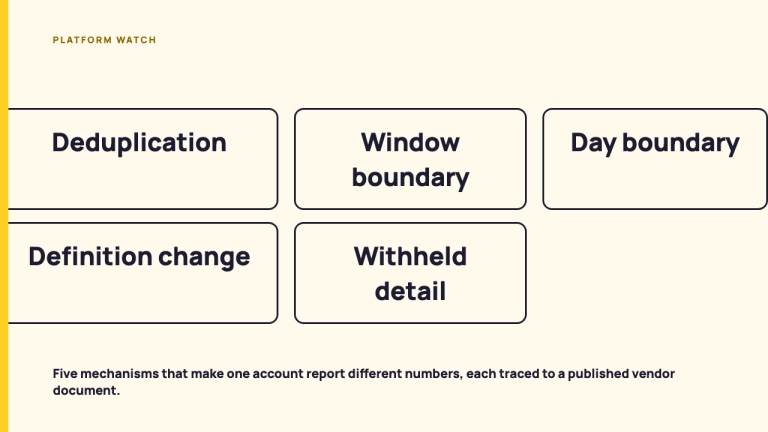
When the same account reports three different numbers
In-app insights, the business surface and the API disagree by design. Learn the documented reasons, windows, time zones…
·
-
The paid partnership label and the FTC disclosure standard
The endorsement guides set a standard for disclosure. The paid partnership label is a platform feature. Read side…
·
-
A view is not a unit: what the platform documentation says
YouTube, Instagram and LinkedIn document what they count in different words, quoted and dated here, which is why…
·
-
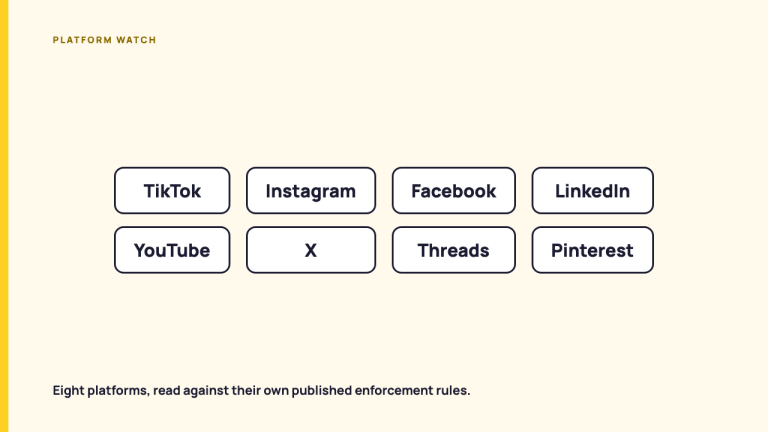
Business account restrictions: what the platforms actually document
Account-level enforcement against a business account is documented by every major platform, and the documents disagree with each…
·
-
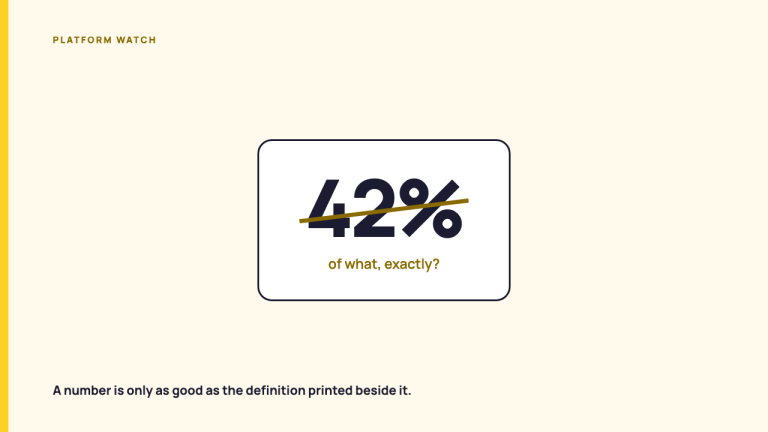
How to read a platform transparency report without being fooled
A platform transparency report is a document a platform publishes about its own actions, using its own definitions,…
·
-
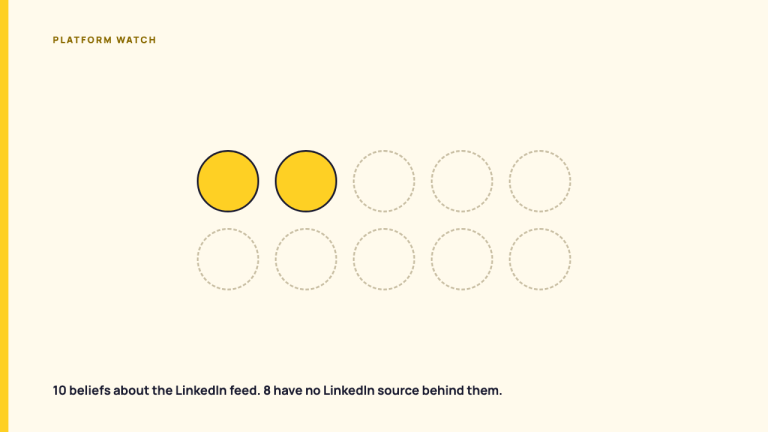
How the LinkedIn feed ranks posts, according to LinkedIn’s own engineering posts
How does the LinkedIn algorithm work? By LinkedIn’s own account the feed is two systems, not one: a…
·
-
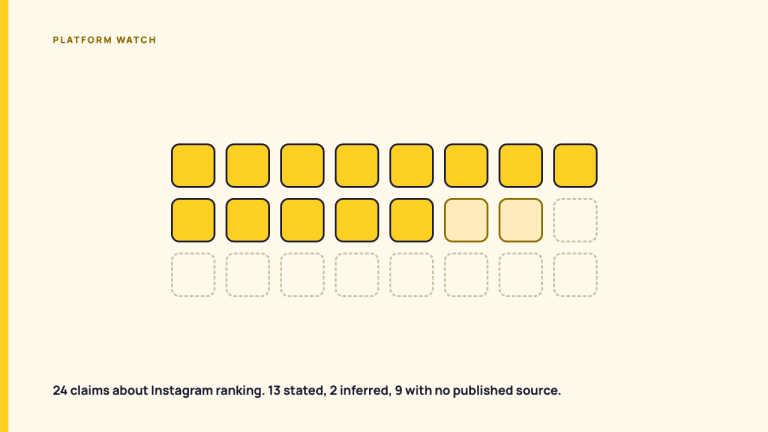
Instagram ranking signals: what Instagram has published, and what it has not
Instagram publishes less about ranking than the advice built on top of it. Twenty-four claims checked against the…
·